Careers · September 21, 2026 · 8 min read
Creative Careers and AI: New Opportunities, New Expectations
How AI is reshaping creative careers, what companies now expect from candidates, and how designers, writers and directors can update their résumés and portfolios.
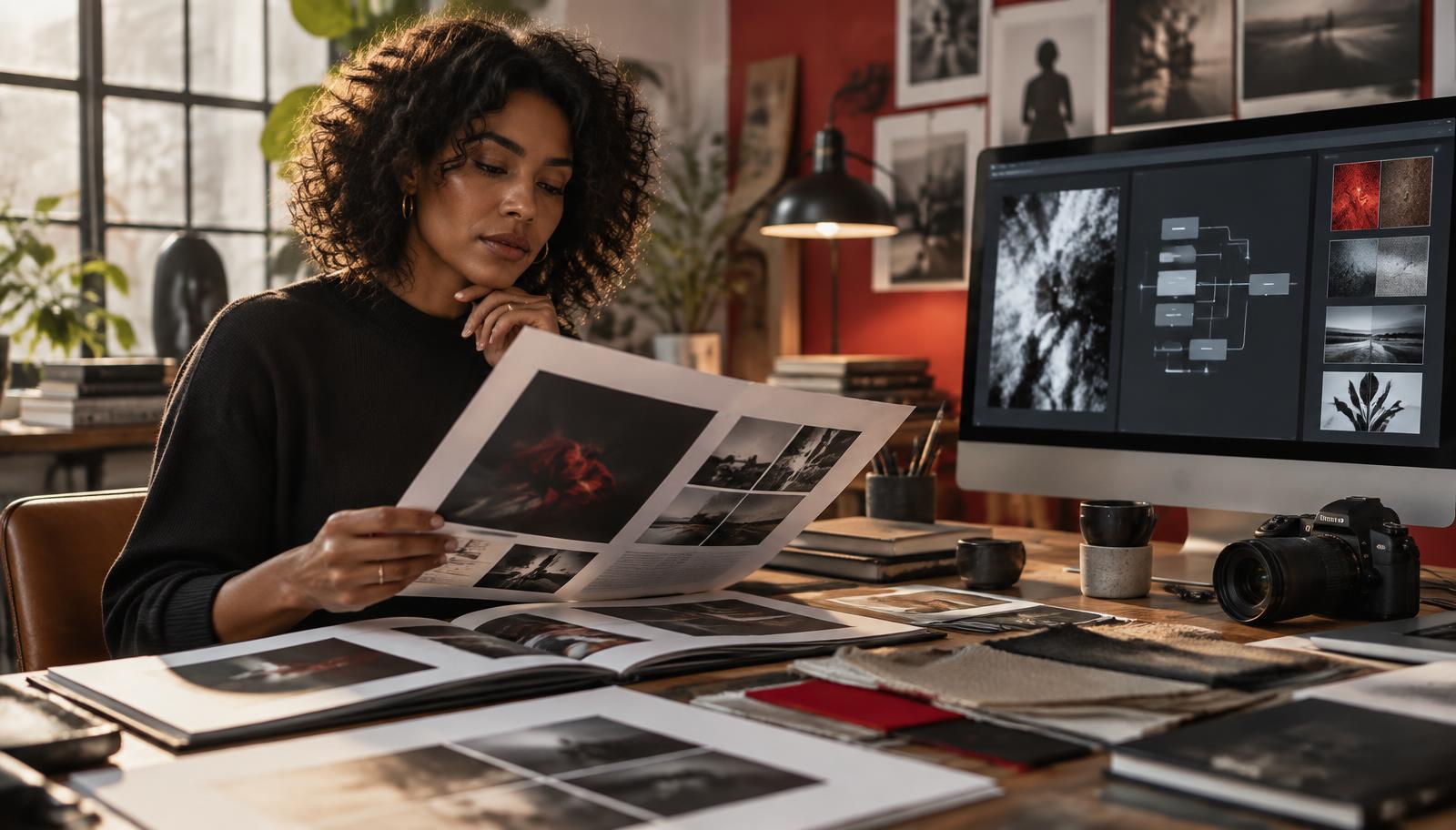
The creative job market is not simply replacing old roles with new technology. It is redefining what companies expect from the people already doing the work. Art directors, designers, copywriters, producers and creative directors are being asked to combine their established craft with a practical understanding of AI — not as a novelty, but as part of a modern production process.
The opportunity is larger than prompt writing
The most valuable professionals are not those who can generate the highest number of images or headlines. They are the ones who can connect AI to a real business need: developing a campaign territory, testing a visual direction, adapting approved work across formats, accelerating research or reducing repetitive production. Companies are hiring for outcomes, judgement and reliability — the tool is only part of the method.
What companies are looking for now
- Creative judgement: the ability to distinguish an interesting output from a strategically relevant idea.
- AI fluency: knowing which tools fit research, writing, image development, film, automation and production.
- Systems thinking: building repeatable workflows rather than relying on one successful prompt.
- Brand consistency: protecting tone, visual language and quality across a larger volume of work.
- Responsible practice: understanding copyright, disclosure, data privacy and human review.
- Collaboration: explaining the process clearly to clients, strategists, producers and specialist teams.
Your résumé needs evidence, not buzzwords
Adding ‘AI’ to a skills list is no longer enough. A strong résumé explains where the technology improved the work. Replace vague claims with concise outcomes: accelerated concept exploration, built a brand-trained content workflow, created platform-specific campaign adaptations or reduced production time while maintaining an approval process. Name tools only when they help explain a capability; the result should remain the headline.
Update the portfolio as well
A portfolio should show the thinking behind the finished image. Include the brief, the strategic decision, selected exploration, your role, the tools involved, the editing process and the final result in context. This makes authorship visible. It also proves that you can direct a process rather than simply collect attractive outputs.
The strongest creative résumé does not say ‘I use AI.’ It shows how human judgement made AI useful.
Build a career around durable skills
Tools will continue to change. Taste, strategy, storytelling, typography, composition, writing, leadership and client trust will not disappear with the next model release. Learn the new production language, but anchor your career in the skills that let you decide what should be made, why it matters and when it is ready. That combination creates the real opportunity: broader capability without giving up creative standards.
Work with me
I help brands turn creative AI into campaigns, packaging and films that actually perform.
Let's talk