Copyright · July 21, 2026 · 6 min read
AI and Copyright: What Brands Need to Get Right
Ownership, licensing, training data, likeness and client contracts: how to use generative AI in commercial creative work responsibly.
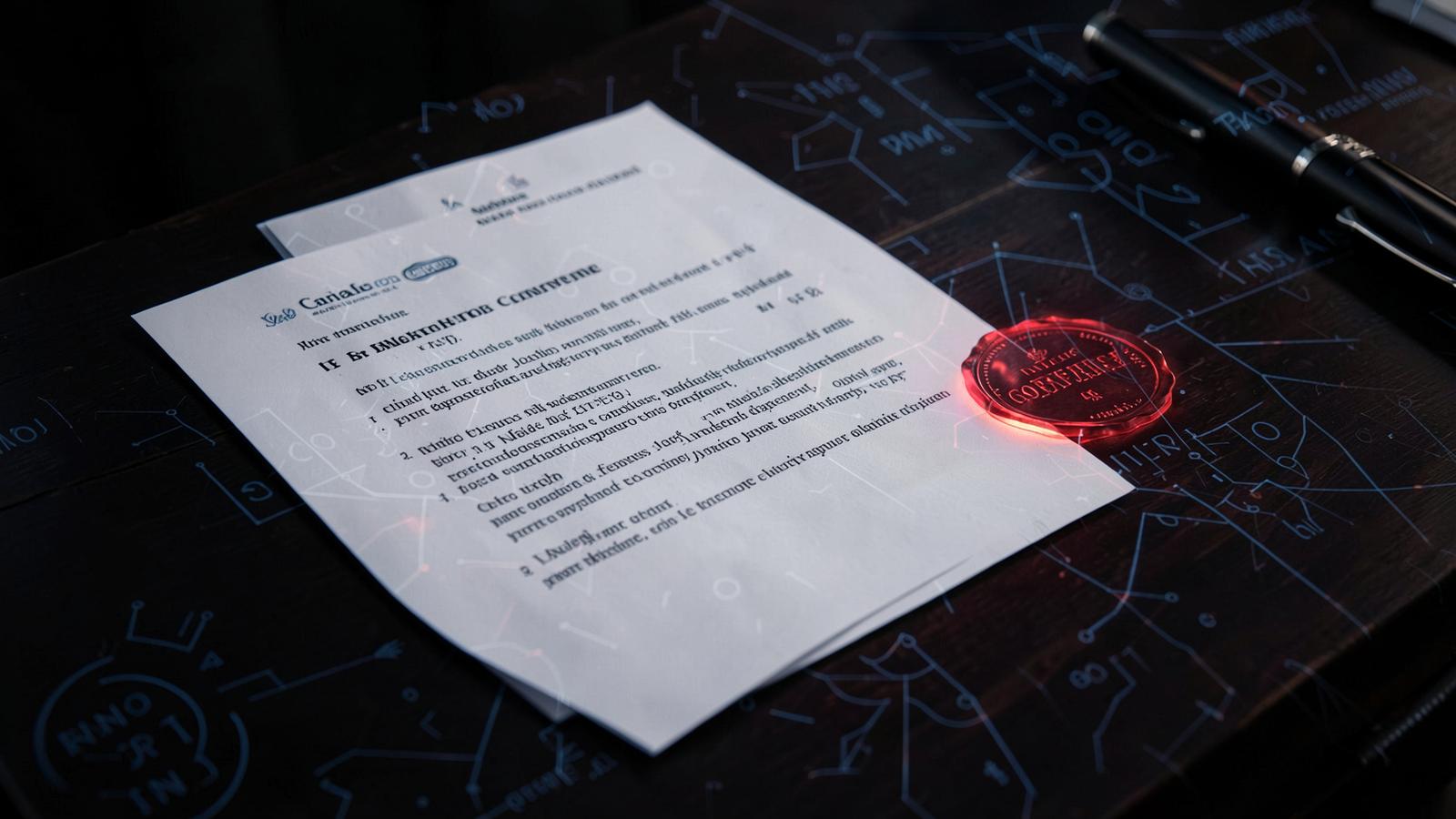
This is not legal advice — it is a practitioner's checklist. Rules differ by country and keep evolving, so involve a lawyer for anything high-stakes. What follows is how I keep commercial projects clean.
Know what your tool licence actually allows
Commercial use, ownership of outputs, indemnification and whether your prompts and uploads are used for training vary enormously between platforms and between plans. Read the terms of the specific tier you pay for, and keep a record of which tool produced which asset.
Protectability is the real issue
In several jurisdictions, purely machine-generated output may not qualify for copyright protection because it lacks human authorship. For a brand, that means a logo or key visual built entirely by a model may be difficult to defend. Substantial human authorship — real design decisions, hand-built vector work, original photography in the mix — strengthens your position.
Practical safeguards for commercial work
- Never prompt for a living artist's name or a competitor's exact visual identity.
- Avoid recognisable faces, real logos, trademarked packaging and protected characters in generated assets.
- Use licensed or self-shot references for anything that grounds the image.
- Keep a production log: tool, version, prompt, references and the human editing steps applied.
- Agree with the client in writing where AI was used and who owns the deliverables.
Disclosure builds trust
Being open about how the work was made is increasingly a competitive advantage, not a liability. Clients want partners who understand the risks, document the process and can defend the assets they hand over.
Work with me
I help brands turn creative AI into campaigns, packaging and films that actually perform.
Let's talk