Film · August 4, 2026 · 7 min read
AI Video Production: Making Brand Films That Feel Real
A production workflow for AI video: previz, shot consistency, camera language, sound design and when to shoot live action instead.
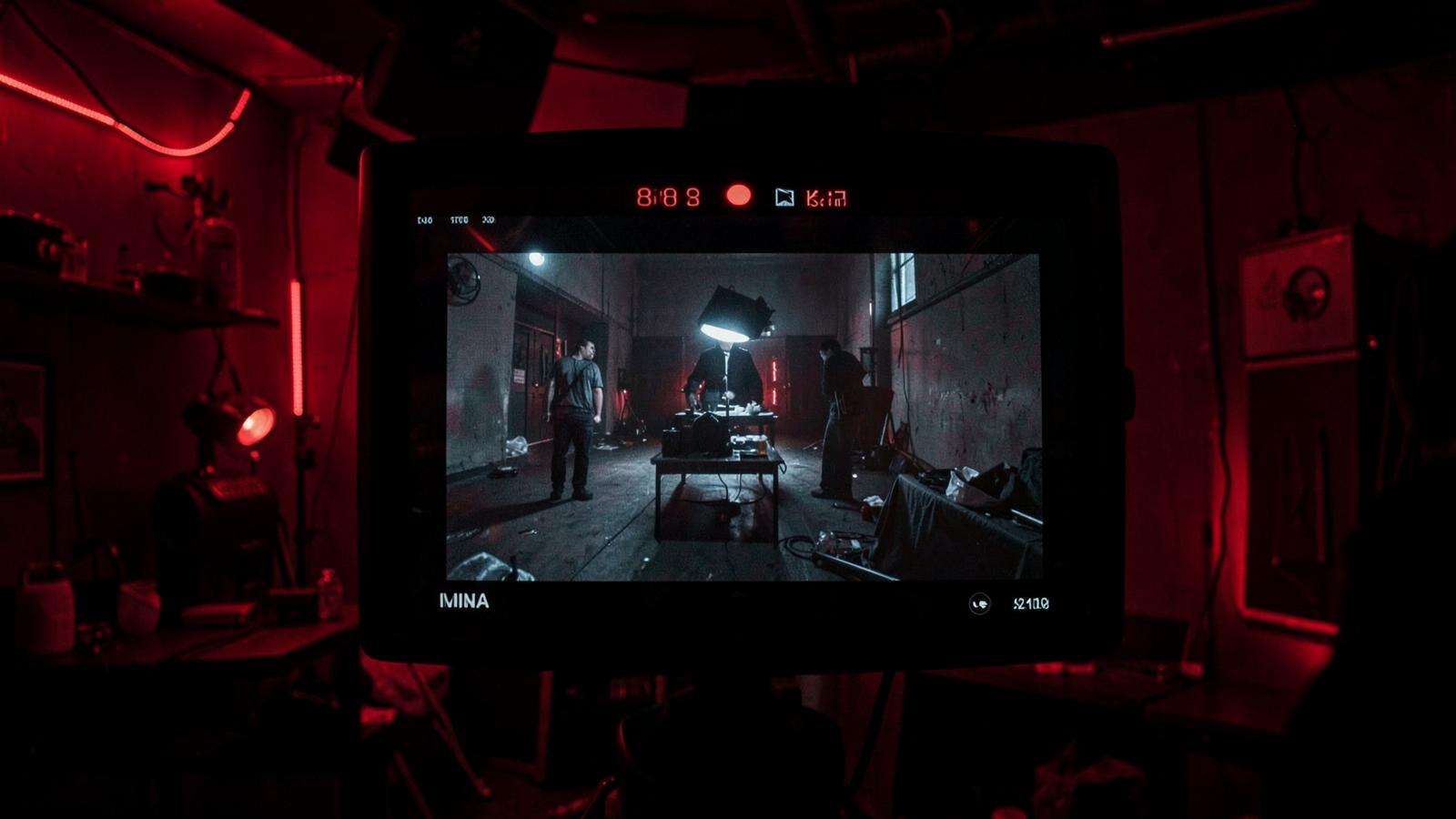
Generative video moved from novelty to production tool faster than any craft in the last decade. The bottleneck is no longer generating a shot. It is generating twenty shots that look like they came from the same camera, the same day and the same story.
Write the film before you generate it
Script, shot list, and a written camera language: lens choice, movement, contrast ratio, colour temperature, grain. If you cannot describe the film in words, the model will invent a different film in every clip.
Consistency is a production discipline
- Lock character and product references before generating any sequence.
- Reuse seeds and style references across shots instead of chasing one perfect clip.
- Generate more coverage than you need: wide, medium, detail, reaction.
- Grade everything in one pass so the palette unifies whatever the model drifted on.
Editing carries the emotion
Pacing, cut points, negative space and silence do more for a brand film than any single frame. I cut AI footage exactly like live action: assemble on rhythm first, then refine visuals. Sound design and music are not decoration — they are half the perceived production value.
When to shoot for real
Human faces in close-up, hands interacting with a product, food texture, liquid pours and anything requiring exact brand geometry are still faster and better on a real set. The strongest projects mix both: live-action hero shots plus generated environments, transitions and impossible camera moves.
Audiences do not care how a shot was made. They care whether it holds their attention.
Work with me
I help brands turn creative AI into campaigns, packaging and films that actually perform.
Let's talk