Composition · August 16, 2026 · 6 min read
The Anatomy of a Strong Visual Composition
A deep dive into the building blocks of visual composition — balance, rhythm, focal points and negative space — for designers and art directors.
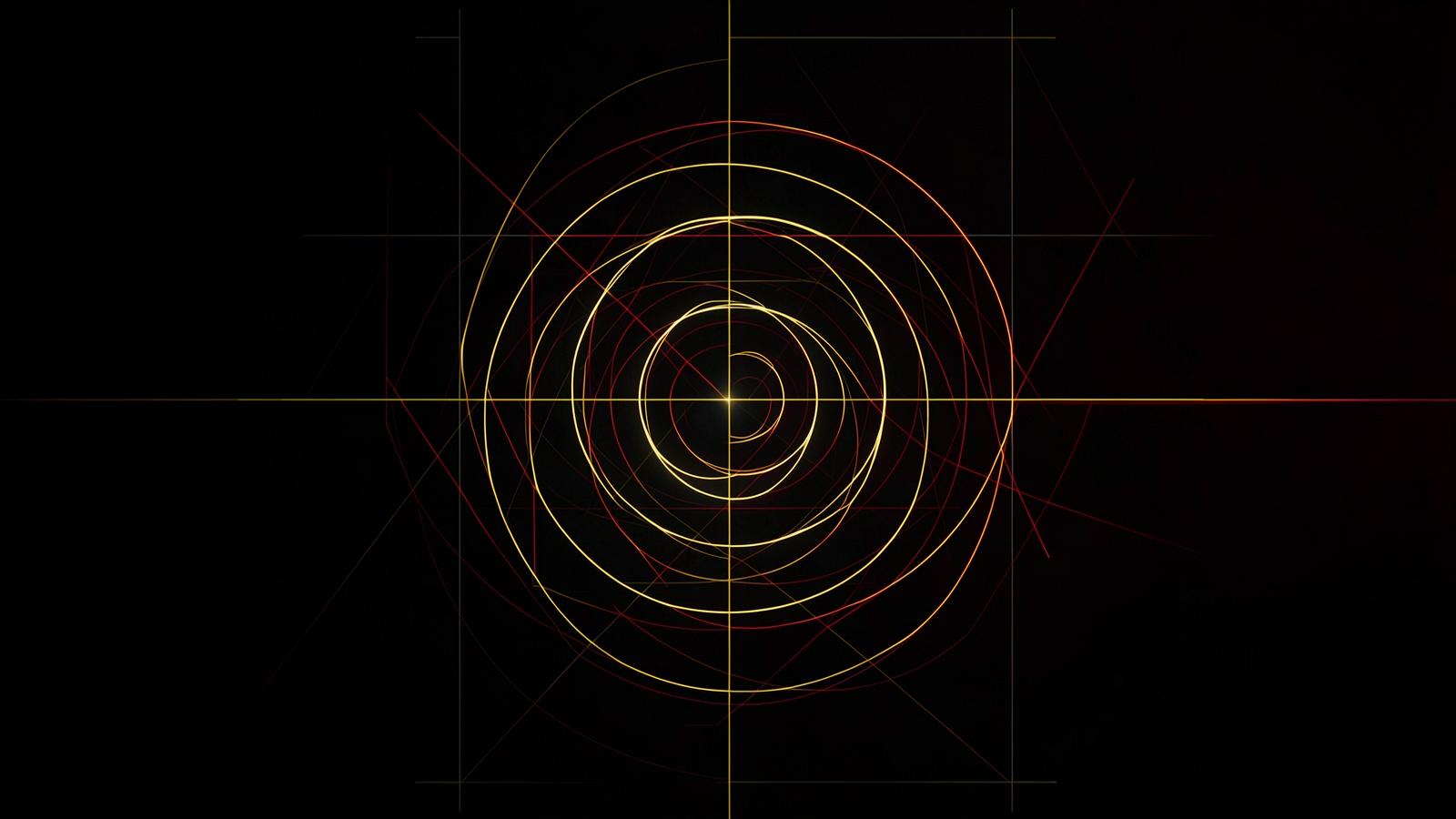
Composition is the invisible architecture of an image. It decides where the eye goes first, how long it stays, and what it remembers. Good composition is not an accident. It is a set of decisions made before the viewer arrives.
The four building blocks
- Focal point: the one thing everything else supports. If there are two, the viewer chooses neither.
- Balance: visual weight distributed so the frame feels stable or intentionally unstable.
- Rhythm: repeated elements that guide the eye through the image like beats in music.
- Negative space: the silence that gives the subject room to mean something.
Every element must earn its place
Before adding anything, ask what it does. Does it reinforce the focal point? Does it create depth? Does it lead the eye? If the answer is decoration, remove it. The strongest compositions are the ones with the fewest unnecessary parts.
Compose for motion and stillness
A composition can feel calm or energetic depending on line direction, symmetry and contrast. Diagonals move. Horizons rest. High contrast shouts. Soft gradation whispers. Match the structure to the feeling the brand wants to create.
Test the thumbnail
If the composition falls apart at the size of a postage stamp, it is not finished. Most people will see your work small, fast and distracted. The thumbnail test reveals whether the hierarchy and contrast survive real-world conditions.
Composition is not about filling the frame. It is about organising attention.
Work with me
I help brands turn creative AI into campaigns, packaging and films that actually perform.
Let's talk