Composition · July 28, 2026 · 5 min read
Composition: The Skill That Makes AI Images Look Directed
Framing, hierarchy, negative space and light: the composition fundamentals that separate a directed AI image from a generic render.
You can usually tell within a second whether an image was directed or generated. The difference is rarely resolution. It is composition — where the eye lands first, second and third.
Decide the subject before the software does
Every frame needs one protagonist. Name it out loud: the bottle, the face, the gesture, the silhouette. Then build everything else to serve it. Models default to filling the frame with detail; direction means removing detail until the point is unavoidable.
Four rules that always pay off
- Negative space: give the subject room to breathe and the layout room for type.
- Contrast of value, not just colour: squint at the image and check the subject still separates.
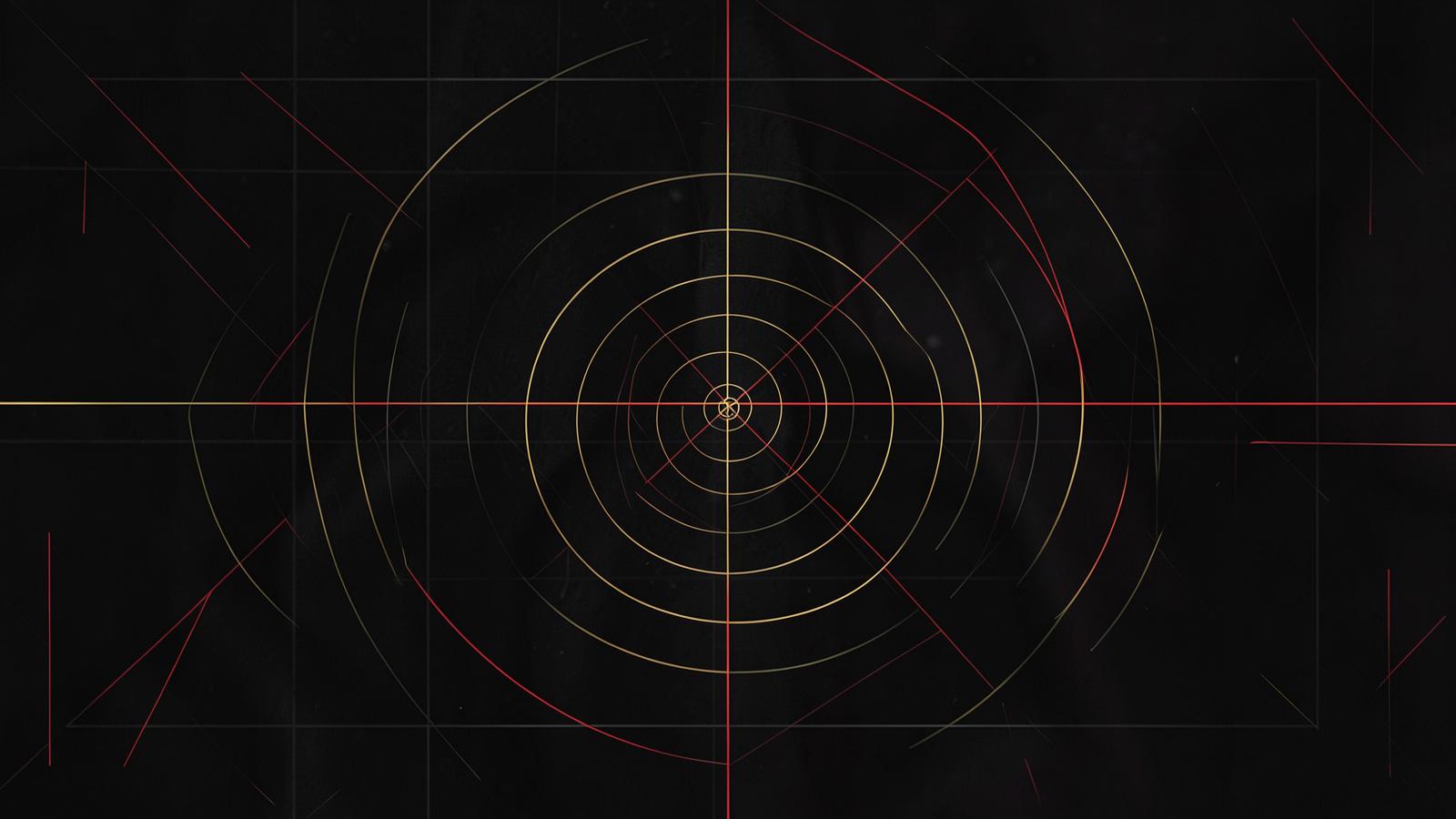
- Leading lines and diagonal energy: static symmetry reads as stock, controlled asymmetry reads as intent.
- Light direction as storytelling: one dominant source, one shaping fill, everything else falls away.
Compose for the crop
The same asset lives as a 9:16 story, a 1:1 grid post, a 16:9 banner and a print page. Compose the master frame with those crops drawn on top. If the idea dies in vertical, the idea is not finished.
Typography is part of the composition
Generate images with the headline in mind. Leave a clean, low-detail area for the message and keep the value range there under control so the type never fights the picture. An image that cannot hold a headline is not a campaign asset.
Work with me
I help brands turn creative AI into campaigns, packaging and films that actually perform.
Let's talk