Design · August 22, 2026 · 6 min read
Design Thinking in the Age of Generative Tools
Why design thinking still matters when AI can generate solutions — and how to use empathy, framing and iteration to direct the machine.
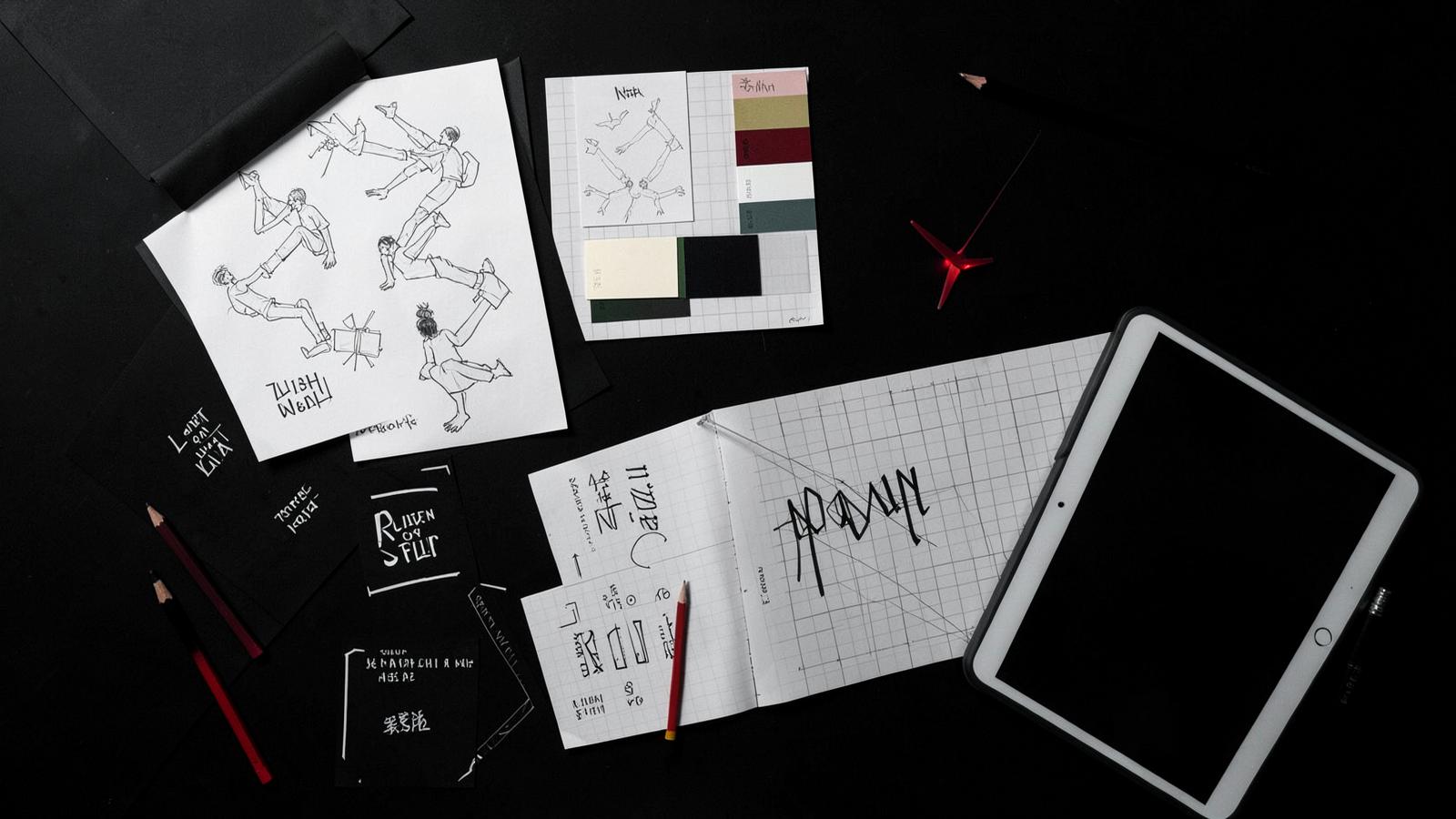
Generative tools can produce a solution in seconds. Design thinking makes sure it is the right solution. The process — empathise, define, ideate, prototype, test — becomes even more important when the machine can ideate faster than you can evaluate.
Empathy is still the starting point
AI does not understand the person using the product. It has no memory of frustration, delight, fatigue or aspiration. Before generating anything, talk to humans, observe behaviour and define the problem in their language. The brief is everything.
Frame the problem tightly
A vague problem produces infinite generic answers. A well-framed problem narrows the field to ideas that matter. State the user, the need and the insight in one sentence. That sentence becomes the constraint that makes AI useful instead of overwhelming.
Prototype with speed, test with discipline
- Use AI to generate many prototypes quickly for internal discussion.
- Test only the strongest concepts with real users, not your own team.
- Measure against the original problem, not against novelty.
- Iterate on what failed, not just what looked good.
A fast answer to the wrong question is still the wrong answer.
Keep the human in the loop
The best design thinking teams use AI to expand the possibility space and human judgement to close it. Generative tools are teammates, not replacements. The final decision must always sit with someone who understands the user and the brand.
Work with me
I help brands turn creative AI into campaigns, packaging and films that actually perform.
Let's talk