Photography · August 14, 2026 · 7 min read
Editorial Photography: Direction, Mood and Story
How to direct editorial photography that carries a story — casting, lighting, styling, location and the decisions that hold a campaign together.
Editorial photography is not about making someone look good. It is about making them look like they belong to a story. The image should feel like a single frame from a larger world, and every choice — light, pose, styling, location — has to support that world.
Start with a world, not a pose
Before the shoot, define the story in words. Where is this person going? What do they want? What is the temperature of the room? A clear world makes every downstream decision easier: casting, wardrobe, location, lens choice and the colour grade.
Light is the second subject
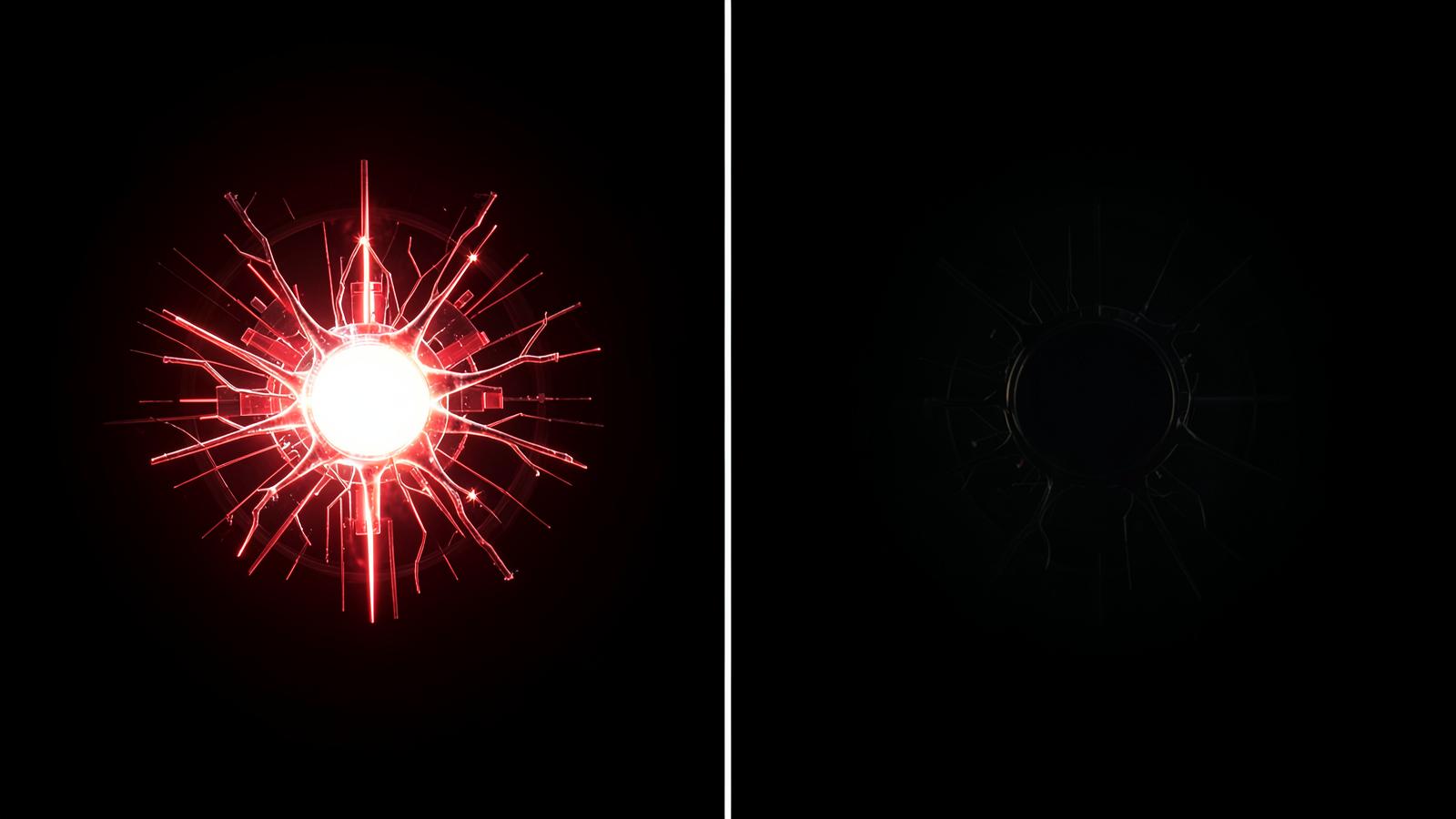
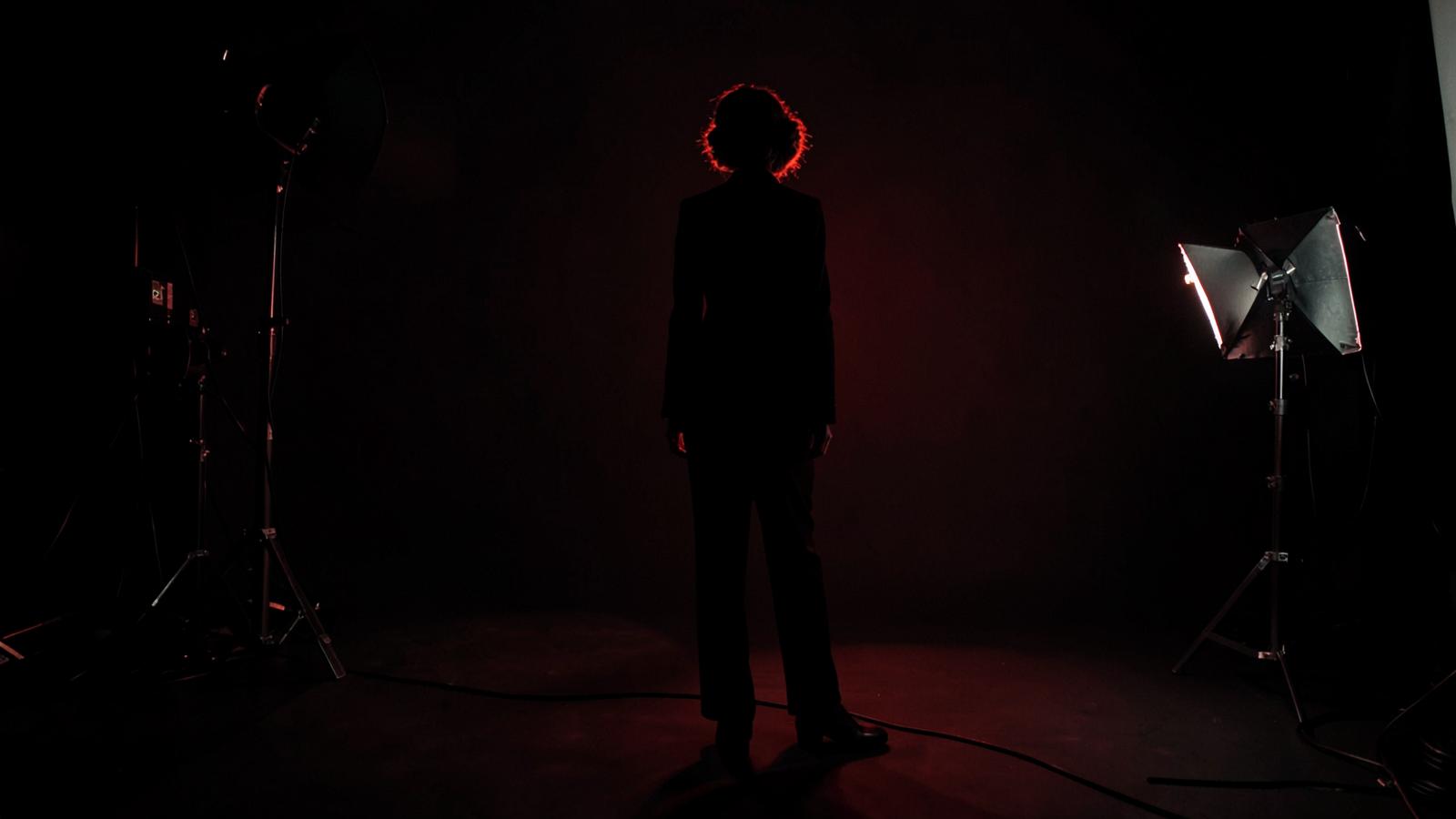
The same model in the same clothes becomes a different story under different light. Hard light creates drama and tension. Soft light creates intimacy and trust. Coloured gels add emotional temperature. Decide what the light should say before you decide where to put it.
Directing the frame
- Cast for character, not just beauty. The face has to carry the story.
- Style for movement. Clothes should do something when the subject moves.
- Choose locations that add texture without stealing focus.
- Shoot the in-between moments. Often the magic is before and after the posed frame.
Mood boards are promises
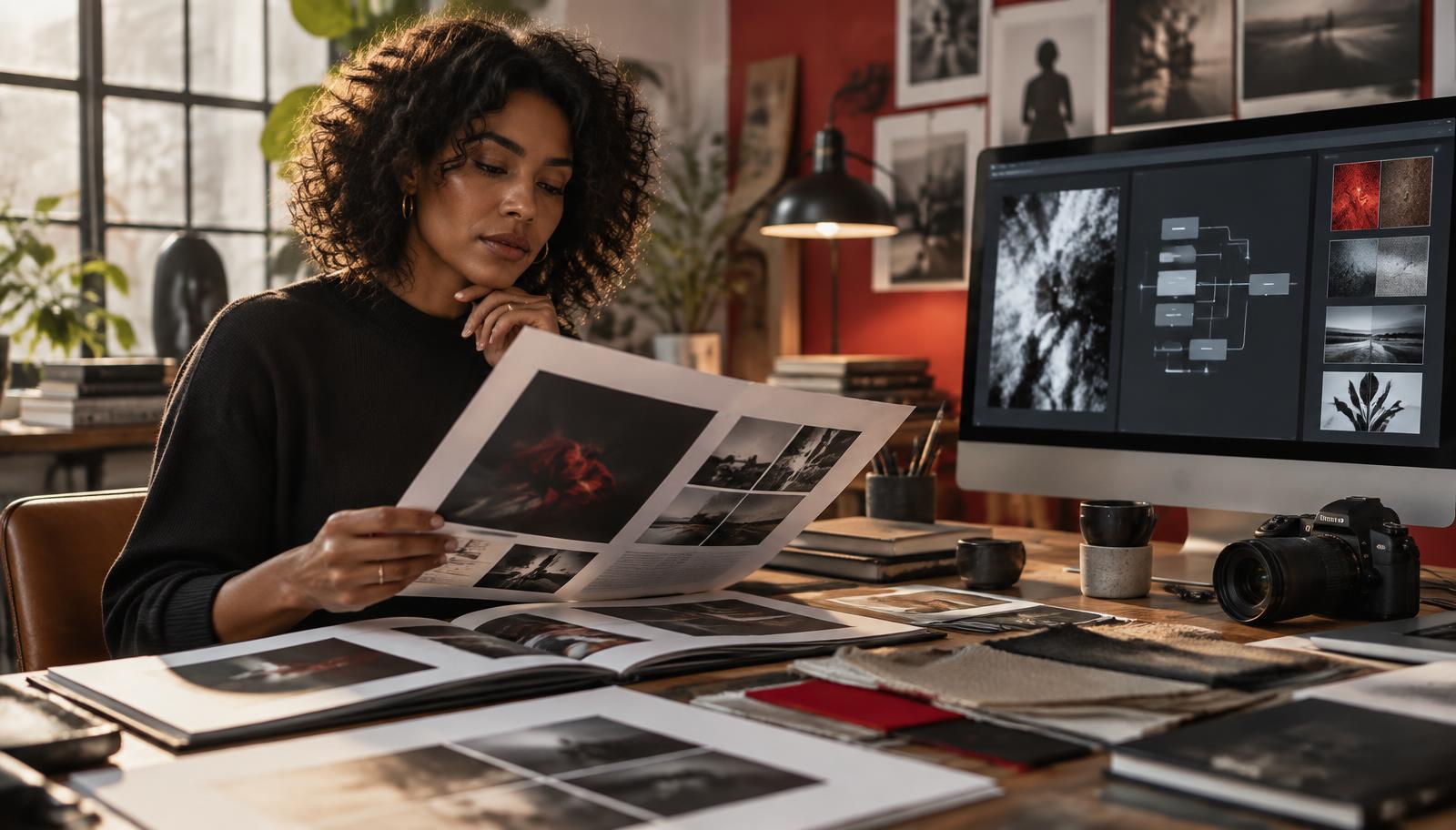
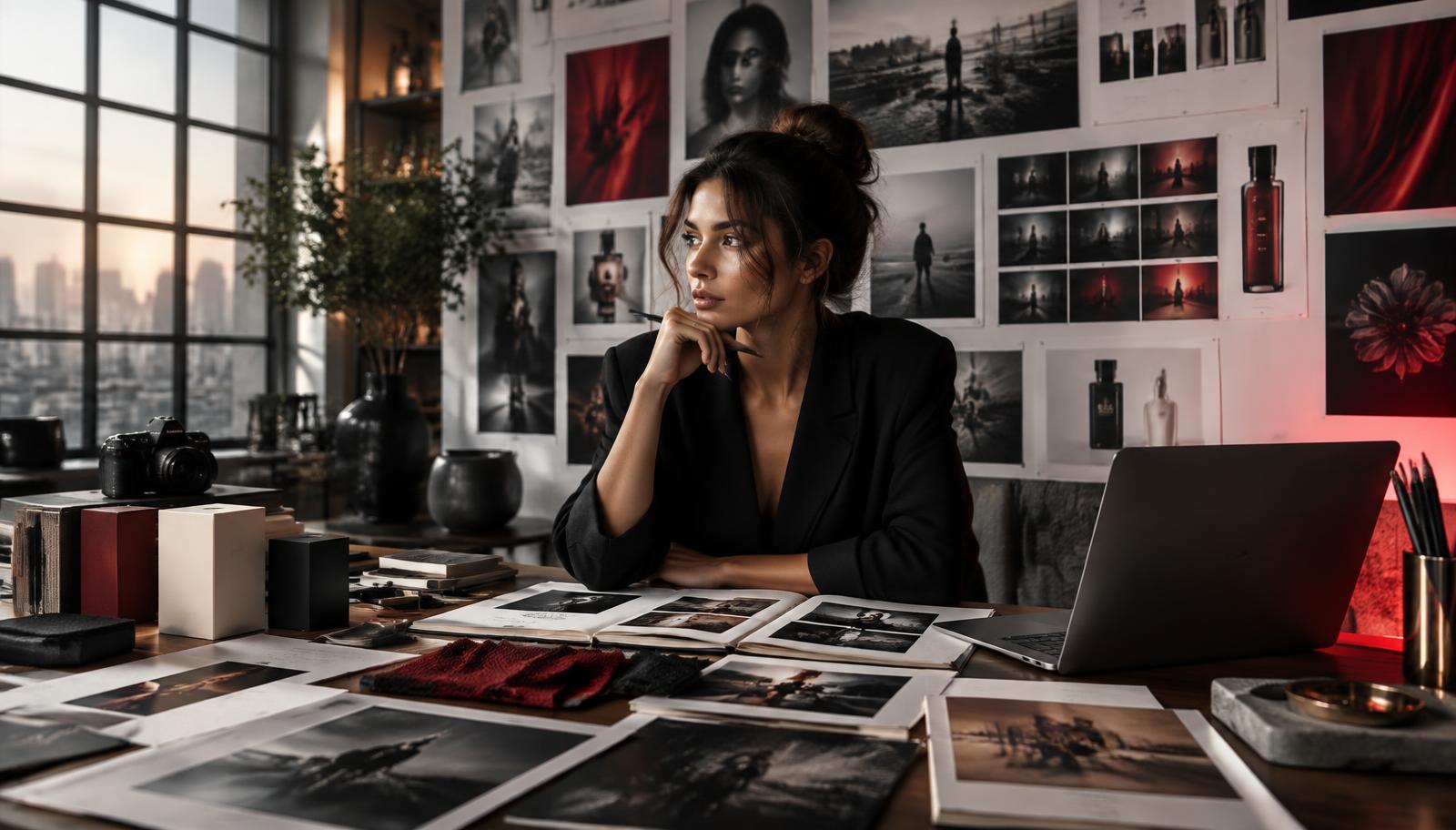
A mood board is a contract between the photographer, the art director and the client. It sets the emotional target. On set, it keeps everyone aligned when time is short and options are tempting. Build it carefully and refer to it constantly.
A great editorial photograph does not describe a person. It suggests a life.
Work with me
I help brands turn creative AI into campaigns, packaging and films that actually perform.
Let's talk